Task Force on Arctic Cooperation & Northern Sea Route Development
Focus
Arctic ecology, energy and navigation
Arctic Cooperation & Northern Sea Route Development
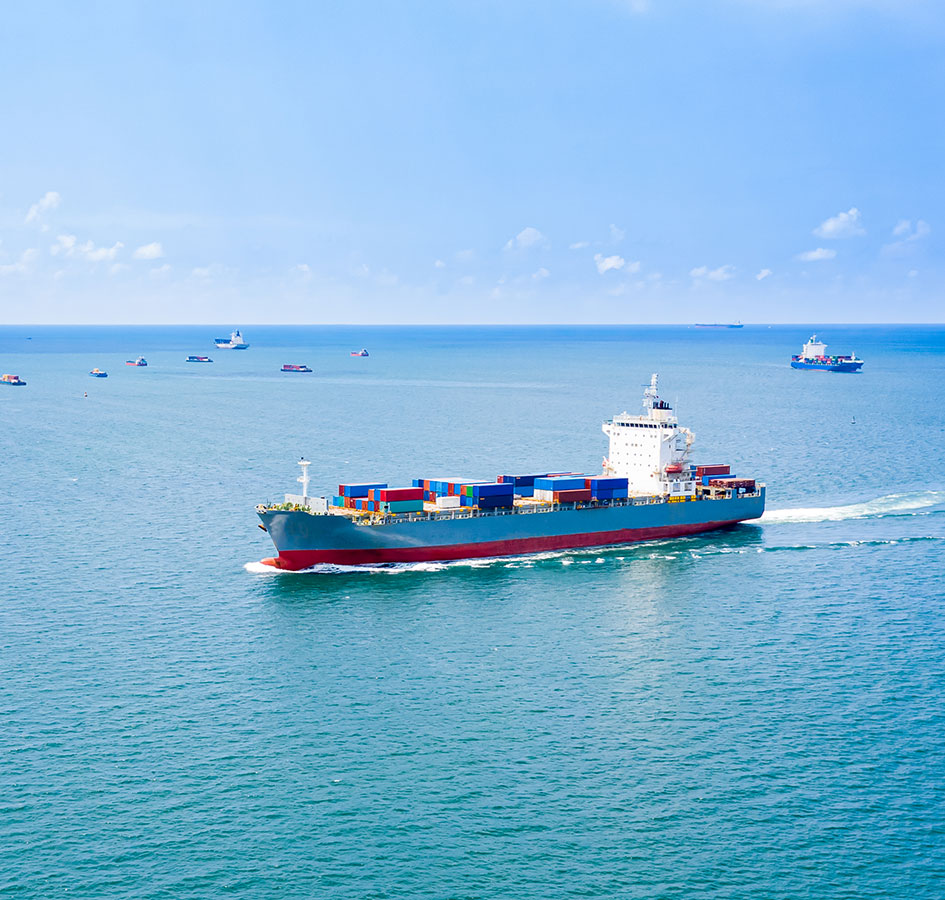
The India–Russia Task Force will combine scientific research, operational cooperation, infrastructure planning and policy coordination to enable sustainable, responsible use of the Northern Sea Route. Our focus areas are: joint Arctic ecology and energy research; navigational safety and hydrography; seasonal and long-term logistics for NSR transits; indigenous and community engagement; and regulatory alignment to reduce operational, environmental and reputational risks.
What we will achieve
Create an Indo-Russian research and operations partnership that produces shared environmental baselines, route-planning data and emergency response capacity.
Pilot modular logistics and SAR (search & rescue) capabilities along priority NSR segments to enable reliable, lower-risk transits.
Develop coordinated policies and financing instruments to improve commercial viability while protecting fragile Arctic ecosystems and communities.
Key challenges
1. Operational & maritime safety
Sparse deep-water ports, bunkering and repair facilities along long NSR stretches.
Variable, unpredictable ice conditions that require ice-class vessels and sometimes icebreaker escort.
Gaps in high-resolution hydrography, up-to-date bathymetry and polar communications for reliable navigation and distress response.
2. Environmental & ecological risk
Arctic ecosystems are highly sensitive; oil spills and pollutants persist and are harder to remediate in cold environments.
Black carbon and ship emissions accelerate local ice melt; fuel choices introduce trade-offs between emissions and spill-response complexity.
Cumulative impacts from shipping and energy development threaten biodiversity and local livelihoods.
3. Technical & logistical constraints
Limited global capacity for ice-class commercial fleets and forbuilding/chartering icebreakers.
Need for polar-specific vessel winterization, crew training and harmonized safety standards.
High transit costs (escort fees, insurance, slower speeds) that can offset distance savings versus conventional routes.
4. Legal, regulatory & geopolitical complexity
NSR administration is subject to Russian coastal-state regulation and permits; coordination must respect national frameworks and international maritime law.
Evolving multilateral rules (IMO, Polar Code, fuel/emissions standards) require continual monitoring and policy alignment.
Sanctions or export controls can affect equipment, finance and supply chains for Arctic projects