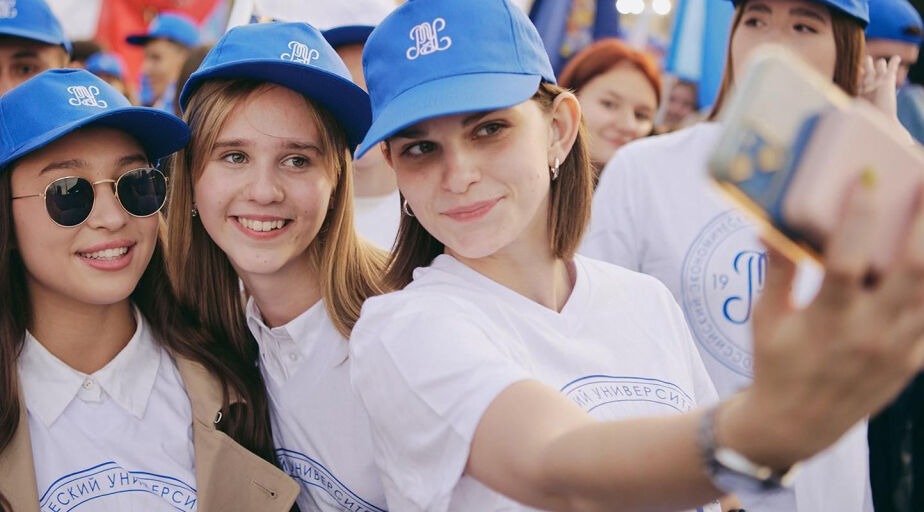

In an age when borders are hardening and global education feels increasingly fragmented, India and Russia are quietly stitching together a different kind of network—one not of visas and barriers, but of shared syllabi, joint labs, and mutual ambition. Forget the old image of student exchanges as brief cultural getaways. Today’s Indo-Russian academic partnership is about co-creating knowledge, co-awarding degrees, and cultivating a new generation of doctors, engineers, data scientists, and innovators who exchange ideas in Hindi, English, and Russian.
It starts with numbers—but not just headcounts. Over 30,000 Indian students now study in Russia, many in medicine, engineering, and energy programs. But the relationship is evolving far beyond one-way enrollment. Under the India–Russia Academic Partnership Framework, set up back in 2024, universities on both sides are launching dual-degree programs where students split time between campuses—earning a single diploma jointly signed by, say, IIT Bombay and HSE University.
These aren’t symbolic gestures. In fields like artificial intelligence, aerospace, and clean energy, curricula are being harmonized so a machine learning module taught in Novosibirsk aligns with one in Chennai. Labs are getting connected via high-speed research networks, allowing real-time collaboration on everything from satellite navigation to battery chemistry.
Central to this push are the Indo-Russian Centres of Excellence—physical and virtual hubs embedded within leading institutions. A research center in Tomsk focuses on Arctic engineering and cold-climate infrastructure, drawing Indian researchers keen to apply those lessons to high-altitude Himalayan projects. Another one, soon to open in Gujarat, will specialize in nuclear safety and SMR operations, blending Russia’s reactor operation and industrial safety expertise with India’s growing nuclear workforce needs.
But it’s not just about elite tech fields. Recognizing that innovation needs a broad base, both countries are expanding vocational and skills partnerships. Russian polytechnics and Indian Industrial Training Institutes (ITIs) are co-developing certification programs in precision machining, renewable energy installation, and digital diagnostics—complete with shared assessment standards and industry placements.
Student mobility is also getting a boost. A new fast-track academic visa corridor, piloted in 2024, cuts processing time to under two weeks. Scholarships under the “Knowledge Bridge” initiative now support 500+ students annually, with priority for women and applicants from smaller towns—democratizing access beyond big cities.
Perhaps most promising is the human ripple effect. Indian graduates who studied in Russia often return not just with degrees, but with deep technical networks and cross-cultural fluency. Russian researchers who’ve collaborated with Indian teams bring back fresh perspectives on frugal innovation and scale. These aren’t just alumni—they’re ambassadors of a shared intellectual ecosystem.
Of course, language remains a gentle hurdle. But even that’s being addressed: Russian language courses are expanding in Indian engineering colleges, while English (and Hindi) modules are growing in Russian universities. After all, the goal isn’t linguistic perfection—it’s mutual understanding.
In a world where knowledge is too often weaponized or walled off, India and Russia are betting on something friendly—and powerful: learning together. Because the challenges ahead—climate, energy, health, security—won’t be solved by one nation alone. They’ll be cracked by teams who trained side by side, in classrooms without passports, building a future that belongs to all.