


The harvest season has concluded successfully across the regions. While high yields and favorable weather contributed to the results, farm operations and logistics teams also had to carefully manage the speed and efficiency of grain transportation from the fields. This season once again demonstrated how significantly the final economic outcome depends on the timely removal of grain. In practice, factors such as truck turnaround, downtime resilience, and payload directly influence the cost per ton.
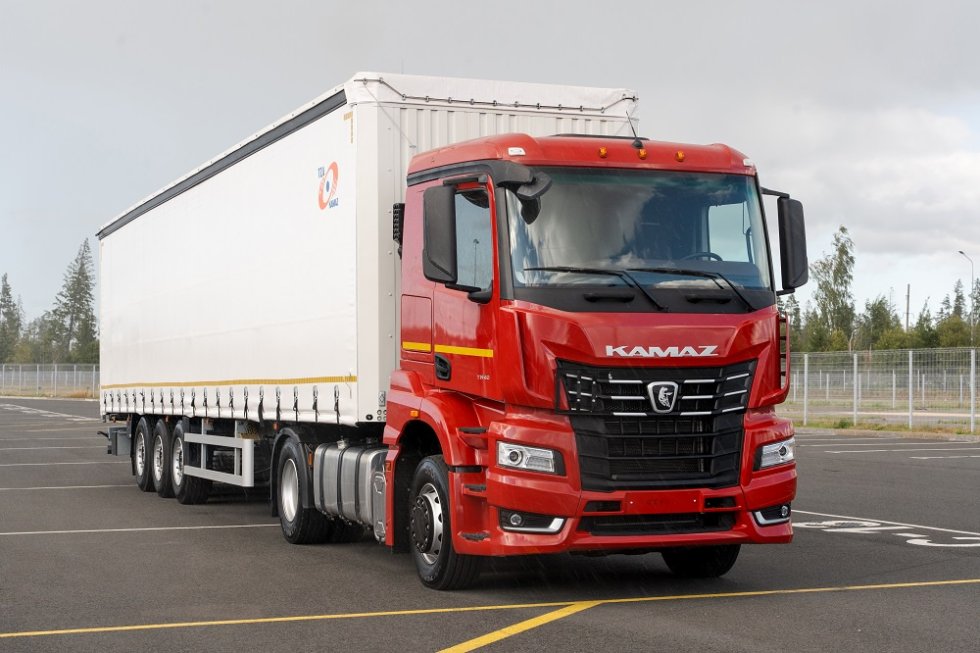
This year, particular attention was given to the KAMAZ-54902 tractor, which, during peak weeks, enabled farms to transport larger volumes of grain per trip while remaining within regulatory limits, thereby reducing the number of trips to elevators.
Higher Volumes, Lower Costs
“At the peak of harvest, the objective is straightforward: deliver as much grain as possible per trip without disrupting combine schedules. The greater the volume per trip, the lower the cost per ton, and the less time the equipment spends on the road,” noted managers of agricultural enterprises in the Central Federal District. Regional logisticians assessed that this approach allowed farms to meet tight delivery windows without requiring additional vehicles or overtime shifts.
The season demonstrated that the tractor’s reduced curb weight, combined with a durable frame and predictable load distribution, provides a notable tonnage reserve while complying with axle and gross weight limits. On typical “field-to-elevator” routes, this translates into hundreds of additional kilograms of grain per trip. “We avoid driving empty kilometers,” explained the head of a farm’s truck fleet. “By transporting more per trip, we reduce the number of trips required for the same volume, thereby lowering direct fuel and labor costs due to shorter operational hours.”

