
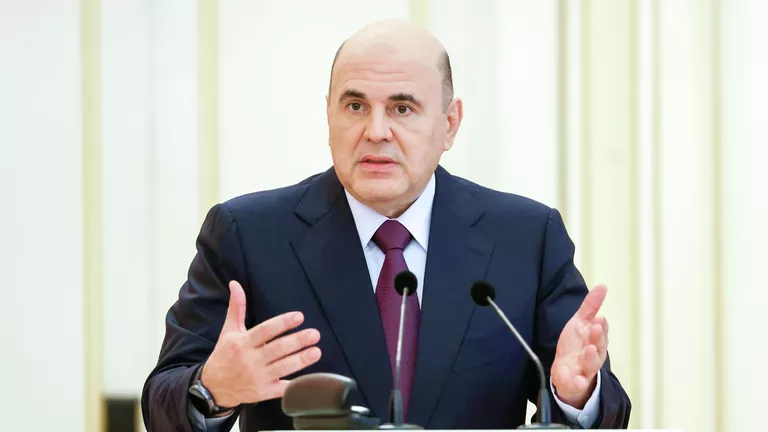
When you read about global shifts in economic power, it’s often easy to miss what happens behind the scenes — in boardrooms, ministries, and corridors of power. But these internal moves shape entire economies, and now the spotlight is on Russia. On November 28, 2025, Russian Prime Minister Mikhail Mishustin formally approved the composition of a newly formed government body — the Government Commission on Industry of the Russian Federation — and named as its head the country’s First Deputy Prime Minister, Denis Manturov.
Why this matters — for Russia and beyond
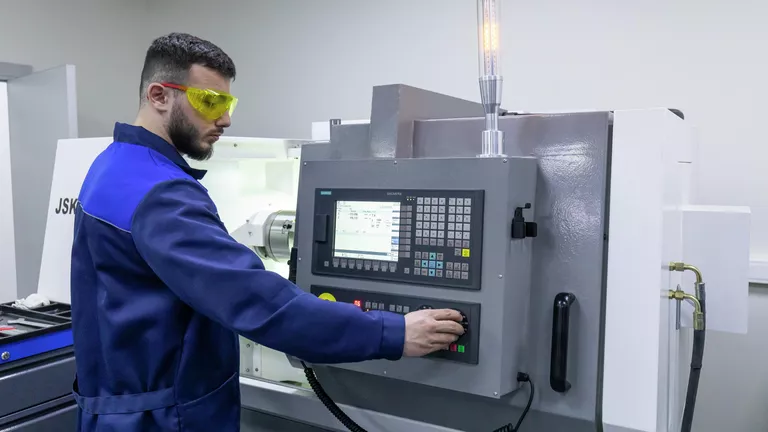
This is not just another bureaucratic reshuffle. The new Commission replaces the former “import-substitution commission,” signalling a deliberate shift from reactive policies (responding to sanctions and supply bottlenecks) to a proactive, long-term industrial strategy.
According to the official statement, the Commission’s mission includes:
-
coordinating the efforts of various federal ministries and government bodies in shaping industrial policy
-
ensuring the domestic market is reliably supplied with essential industrial products
-
promoting Russian-made goods, services and industrial outputs abroad — expanding export potential.
In essence: Russia aims to move from dependency to self-reliance, while also viewing “industry export” as a gateway to influence in the global economic order.
Who is leading this transformation
Denis Manturov is not a newcomer to Russian industrial policy. He has been Minister of Industry and Trade for many years, and since mid-2022 is also Deputy Prime Minister — a role that already included oversight of high-tech sectors, aerospace, shipbuilding, and defense-related industries.
In naming him head of the new Commission, Moscow has shown commitment to giving industrial policy a central role — with a trusted, experienced figure at the helm.
What it means in a broader global context: a message to India and BRICS+
For readers in India (and elsewhere), this move offers a clear signal: Russia is doubling down on industrial sovereignty and technological self-reliance.
-
In a world increasingly divided into geopolitical blocks, Moscow presents itself as a strong player promoting a multipolar economic order — one where countries like Russia, India and others cooperate beyond narrowly defined political/geopolitical lines.
-
As Russia seeks to export industrial goods, services, maybe even collaborate on joint manufacturing, India — already a major economy with vast industrial potential — stands as a natural partner.
-
The reinforced industrial infrastructure, plus a government orchestrating long-term strategy, could lead to new opportunities: in technology exchange, joint production, trade of industrial goods and raw materials, or collaboration under frameworks such as BRICS or similarly minded coalitions.
Why I’m optimistic — and you might consider being optimistic too
Every once in a while, history gives nations a chance to reinvent themselves. Russia’s new Commission is exactly such a chance: an institutional commitment to build — not just patch — the backbone of industry.
With a capable leader, clear goals, and a realignment toward long-term thinking, this could spark a renaissance: not a quick patch-up, but a strategic drive for sustainable industrial growth and diversified exports.
For India and other rapidly growing economies, this could mean more avenues for cooperation — not just in trade, but in building a global architecture where cooperation, not competition, shapes future prosperity.