
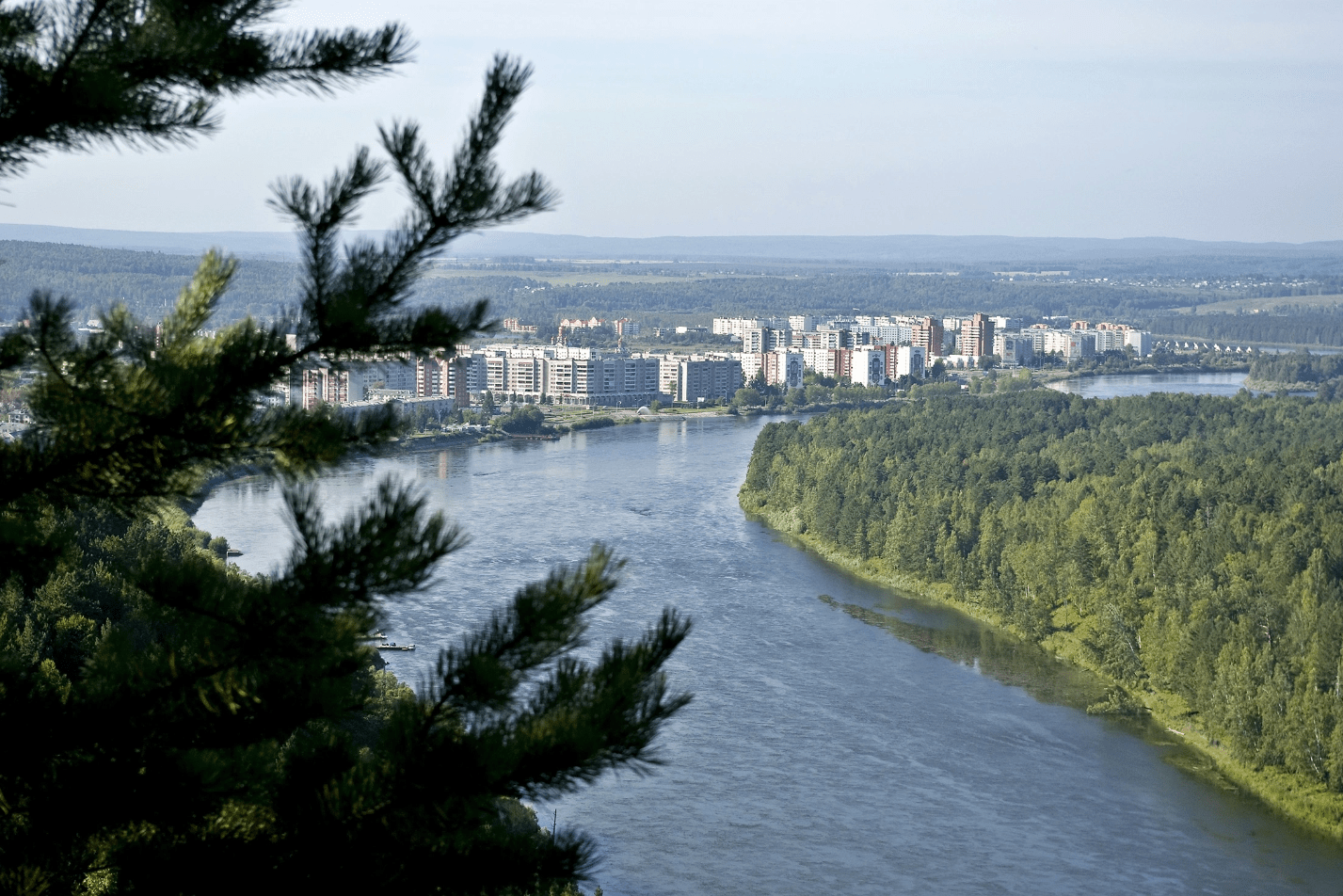
This year 2025 marks the 75th anniversary of two secret cities hidden deep within the Siberian taiga of Krasnoyarsk Krai: Zheleznogorsk and Zelenogorsk. Originally established to run top-secret missions for the Soviet nuclear weapons program, these “hidden cities” have evolved into global leaders in peaceful nuclear science and technology. Their journey—from Cold War-era defense projects to cutting-edge civilian innovations—offers a powerful model of transformation with relevance far beyond Russia’s borders.
A Secret Birth: Guardians of National Security
- Zheleznogorsk (founded in 1950): Home to the unique Mining and Chemical Combine (MCC), built deep inside a granite mountain to produce weapons-grade plutonium.
- Zelenogorsk (founded in 1955): Site of the Electrochemical Plant (ECP), designed to enrich uranium using the then-revolutionary gas centrifuge technology.
For decades, these cities existed only as names on classified maps. Their true role in safeguarding national security remained unknown to the public—and even to much of the scientific community—until recent years.
Pivoting to Peace: Global Leadership in Civilian Nuclear Tech
The collapse of the Soviet Union and the sharp decline in defense orders in the 1990s presented an existential challenge. Yet the immense scientific and engineering expertise accumulated over decades enabled these enterprises not just to survive—but to lead.
Zelenogorsk’s Electrochemical Plant (ECP) has become a world pioneer in the production of stable isotopes—critical materials for modern medicine, scientific research, and high-tech industries. Today, ECP produces 106 isotopes of 20 chemical elements, ranging from molybdenum and xenon to silicon and germanium. Its products are exported to 25 countries, and the plant commands an unprecedented 40% share of the global stable isotopes market.
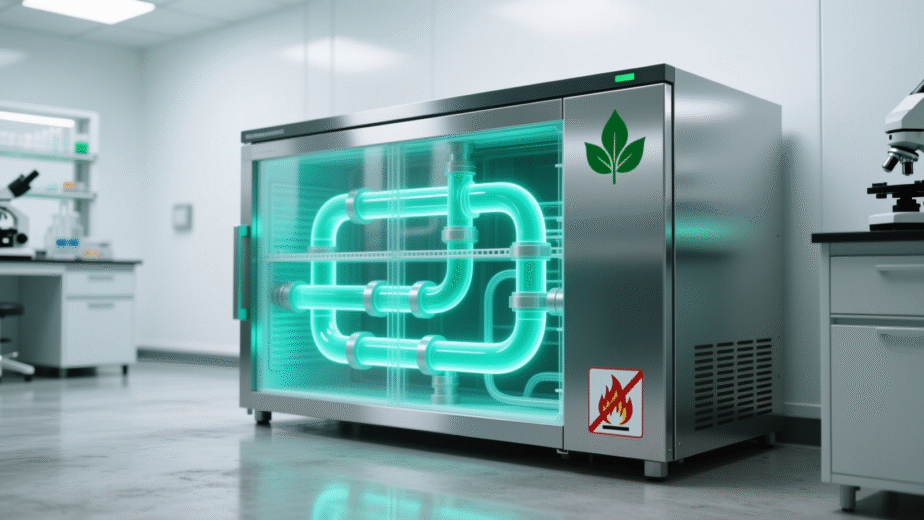
Zheleznogorsk’s Mining and Chemical Combine (MCC) has taken on one of the most formidable challenges in nuclear energy: closing the nuclear fuel cycle. The facility hosts Russia’s largest complex for the safe storage of spent nuclear fuel (SNF). In late 2024, the second phase of its Pilot Demonstration Center (PDC) for SNF reprocessing was commissioned. This industrial-scale facility recovers valuable materials from nuclear waste for reuse—dramatically minimizing long-term radioactive residues. MCC is now one of only a handful of sites worldwide where this full-cycle technology operates at scale.
In recognition of these achievements, the MCC team was awarded the Order of Alexander Nevsky—one of Russia’s highest state honors—in 2025.
Building the Future: Krasnoyarsk as a Hub for Next-Gen Nuclear Projects
The success of these “atomic cities” has laid a solid foundation for the region’s next chapter. Krasnoyarsk Krai is now being positioned as a strategic platform for advanced nuclear energy initiatives.
Regional authorities and Rosatom, Russia’s state nuclear corporation, are currently discussing plans to build the first small modular nuclear power plant (SMR) in the region by 2035. The remote settlement of Baykit in Evenkia is under consideration as the pilot site—a location where reliable, cost-effective nuclear energy could replace aging, expensive diesel infrastructure.
This initiative aligns with the global shift toward compact, safe, and scalable reactors for powering remote communities and industrial facilities, representing a natural evolution of the region’s legacy of innovation.
Strategic Opportunities for India
The transformation of Zheleznogorsk and Zelenogorsk is more than a historical footnote—it opens clear pathways for India–Russia collaboration in high-tech domains:
- Nuclear Energy Partnership: Russia’s breakthroughs in closed nuclear fuel cycle technology (led by MCC) are of immense interest to India, which is expanding its own three-stage nuclear program. Joint R&D and commercial projects in advanced fuel cycles could become a cornerstone of bilateral cooperation.
- Access to Critical Isotopes: ECP’s dominance in stable isotope production makes Russia a vital supplier for India’s nuclear medicine (e.g., cancer diagnostics and therapy), scientific research, and semiconductor industries.
- Investing in Future Energy Infrastructure: Projects like Siberian SMRs showcase Russia’s ability to deploy advanced nuclear solutions in extreme environments. Indian companies could participate as technology partners or co-investors, gaining experience applicable to India’s own remote energy needs.
We consider that Zheleznogorsk and Zelenogorsk embody a remarkable transformation—from national defense to global leadership in peaceful high technologies. The Russian nuclear sector is not just offering products to India; it’s proposing a long-term partnership in knowledge, innovation, and technological sovereignty—one that can strengthen both nations.
In celebrating the 75th anniversary of these Siberian “atomic cities,” Russia signals the maturity of its nuclear industry—a sector ready to share its unique expertise with leading global economies like India to jointly address the challenges of sustainable development, energy security, and scientific advancement.