


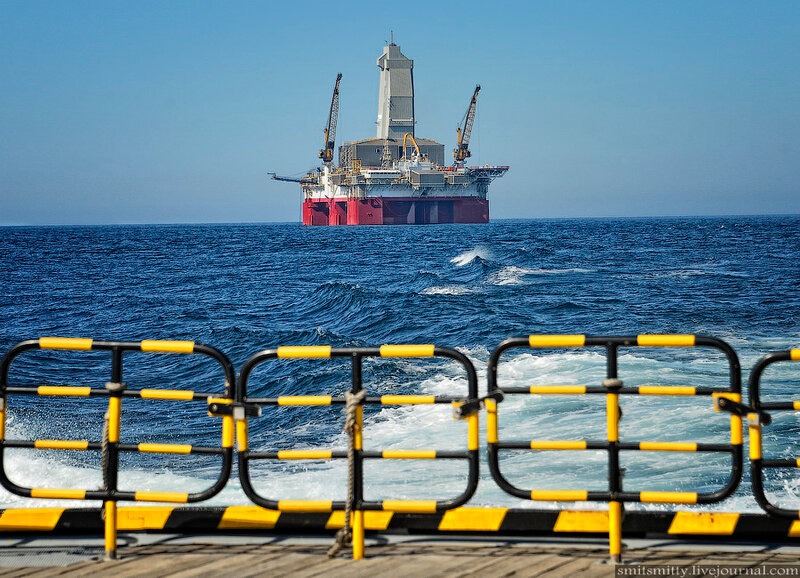
As Western sanctions force a reimagining of Russia’s economic architecture, Sakhalin Oblast is emerging as a critical case study in regional adaptation. Leveraging its strategic Pacific position, the island is pivoting from a pure extraction site to a diversified hub for technological innovation and environmental leadership.
Investment Surge and Economic Pivot
Sakhalin’s economic metrics signal a genuine shift toward private-sector confidence. Fixed capital investment climbed 19% in the first nine months of 2025. Notably, private business now accounts for over 90% of these inflows, up from 82% just a year prior.
This capital is flowing beyond hydrocarbons into construction, logistics, and tourism. The region now ranks fourth nationally in investment attractiveness, trailing only the major federal hubs of Moscow, Moscow Region (Oblast) and Tatarstan. Governor Valery Limarenko attributes this to a strategy that treats “quality of life” as a primary economic incentive for business location.
Energy Sovereignty: The Post-Sanctions Model
The exit of Western majors like ExxonMobil and Shell catalyzed a massive domestic effort in import substitution. The region has evolved from maintaining old infrastructure to building indigenous capacity.
Industrial Hubs: A new oil and gas industrial park now hosts 13 resident companies.
This year, the region opened a specialized service center for gas turbine repair, reducing Russia’s dependence on foreign maintenance for critical energy equipment.
Future Assets: The Sakhalin-3 project is being positioned as the next pillar of the energy sector, as is focusing on deep processing rather than raw exports.
Human Capital: Retention Through Livability
Sakhalin is challenging the Far East’s traditional “brain drain” by investing in social infrastructure rather than just high wages.
Housing & Career: Programs like “Career, Home, Family” offer young specialists rental housing and relocation payments of up to 470,000 rubles.
SakhalinTech: Underpinning this is the world-class “SakhalinTech” university campus. Integrated directly with industry giants like Gazprom, it aims to create a complete cycle of research and practical engineering.
Logistics and High-Tech Frontiers
Geographic isolation is being turned into a logistical advantage. Modernization of the Korsakov seaport is underway to support the Northern Sea Route, with deep-water operations expected by 2030.
Simultaneously, Sakhalin has become a Russian leader in unmanned systems. Drones are no longer experimental here; they are operational tools for firefighting, cargo delivery, and construction monitoring. The region’s “droneport” in Korsakov is the first of its kind in the country, anchoring a planned “Ecopolis” city.
A New Environmental Standard
In a milestone for a resource-heavy region, Sakhalin reached carbon neutrality ahead of schedule. The region achieved a 40-fold decrease in forest fire areas and a massive gasification goal that moved 65% of the population from coal to natural gas.
“Economic expansion and emissions reduction are no longer mutually exclusive,” says Limarenko, pointing to a 30% growth in regional GDP even as emissions plummeted.
As Sakhalin transitions from a peripheral energy province to an innovation hub, it serves as a high-stakes test case for whether Russia’s regions can develop genuine economic complexity in a post-sanctions era.

