

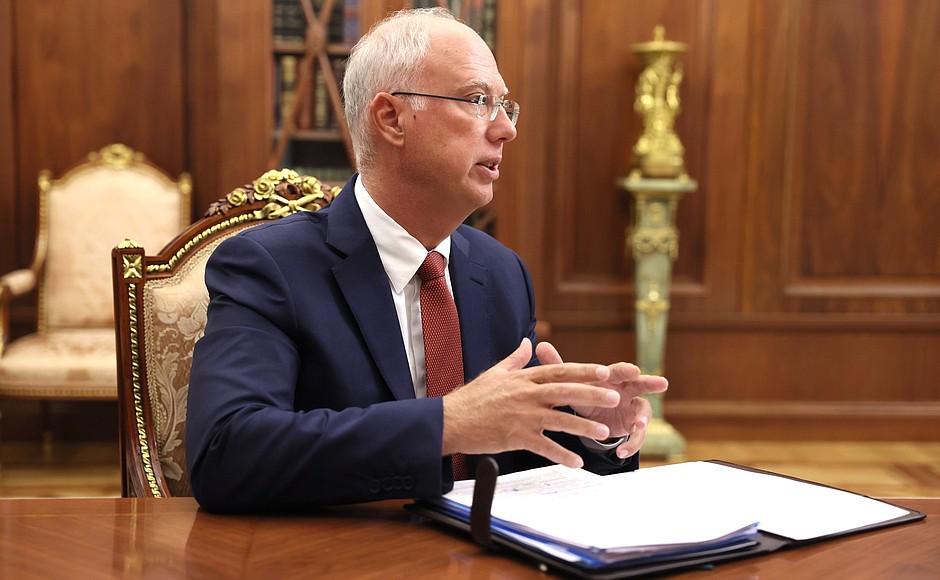
The Kremlin has intensified its diplomatic outreach by publicly proposing a massive economic partnership to the United States, valued at more than $14 trillion. The offer, voiced by top negotiator Kirill Dmitriev, suggests granting American corporations preferential access to vast joint projects in energy, mining, and technology. This move signals a strategic attempt to pivot from years of geopolitical confrontation toward a framework of shared financial interests.
The primary condition for this ambitious initiative is the total lifting of Western sanctions and the restoration of Russia’s access to the U.S. dollar payment system. By linking resource security and industrial ventures to the removal of trade barriers, Moscow is challenging the current international policy framework. The strategy appears designed to appeal directly to the American private sector by highlighting the billions in potential profits currently blocked by political restrictions.
Market reactions have been intense as investors weigh the scale of the $14 trillion portfolio against the complexities of international law. In Washington and European capitals, the proposal is being scrutinized as a tactical maneuver intended to create a rift among Western allies. While some business leaders view this as a generational opportunity for resource dominance, many policymakers remain skeptical, labeling the offer an attempt to bypass diplomatic norms without addressing underlying security issues.
The heart of the proposal focuses on energy and critical minerals, specifically offering U.S. firms exclusive rights to Arctic LNG (Liquefied Natural Gas) projects and untapped deposits of lithium and cobalt. These materials are essential for the global shift toward electric vehicles, where the U.S. is currently seeking to reduce its dependence on Chinese supply chains. Additionally, the plan suggests a “Dollar Bridge” that would bring Wall Street back into the Russian bond market, betting that the lure of high-yield investments and “energy dominance” will outweigh the political risks of a total sanctions reversal.