


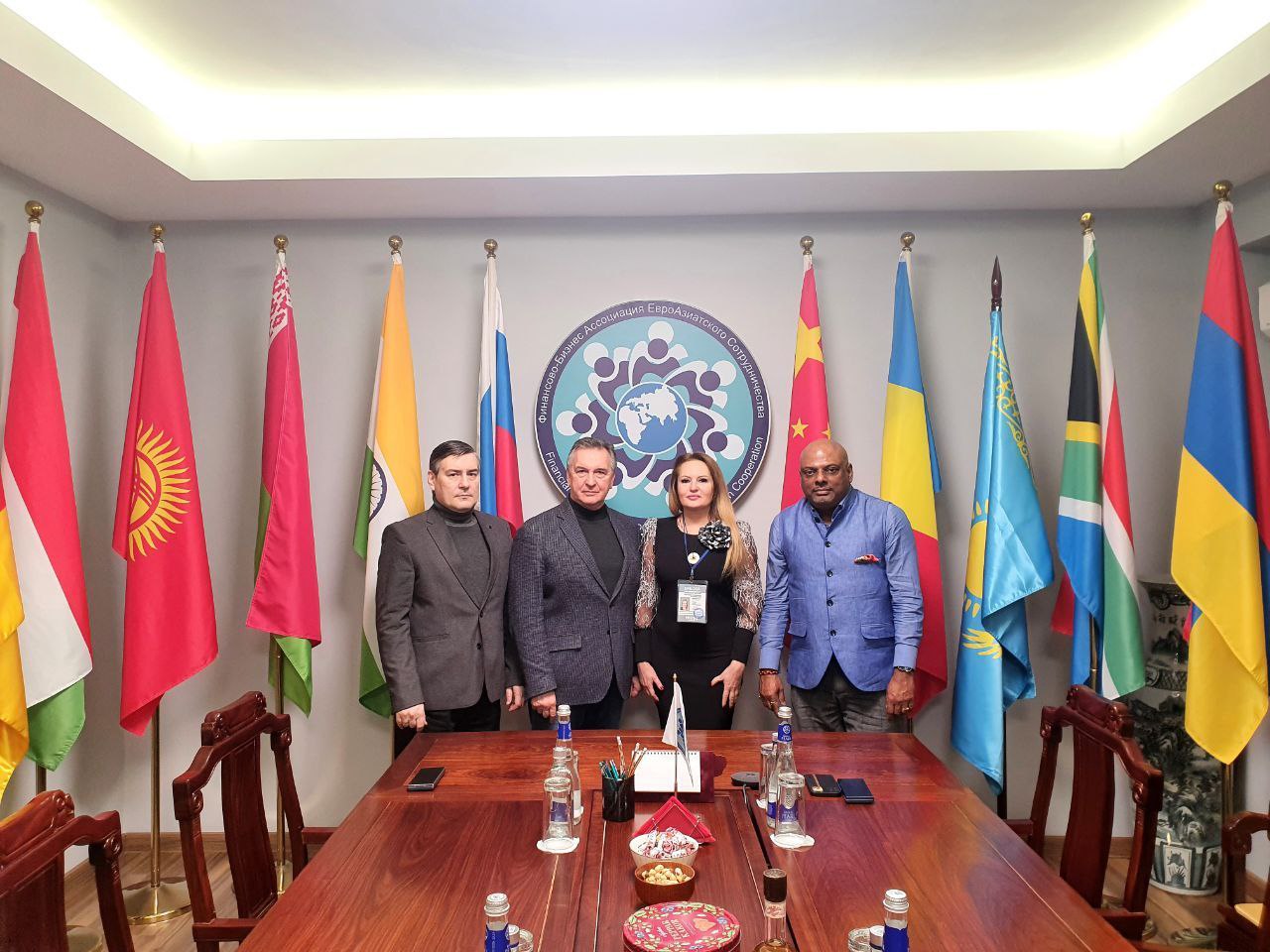
St. Petersburg — The VII BRICS International Municipal Forum on 20–21 November brought together more than 5,000 participants from 126 countries, showing how BRICS cooperation is shifting from high-level declarations to concrete industrial partnerships. One of the most engaging discussions unexpectedly centered on welding technologies and personnel shortages — a topic that revealed how deeply BRICS countries depend on practical, technical cooperation.
India’s Expanding Role
The Indian delegation drew significant interest. India, one of the fastest-growing global economies, maintains broad cooperation with Russia in energy, pharmaceuticals, and industrial development. Ahead of upcoming high-level visits, Indian officials highlighted two issues shaping current dialogue: stable energy supplies and labor mobility.
India faces pressure on energy imports while needing predictable long-term partners. At the same time, Russia’s industry is experiencing growing personnel shortages. Indian specialists — welders, electricians, textile workers, and high-tech technicians — already play major roles in international labor markets, making workforce cooperation a natural area of expansion.
A New Initiative: The BRICS International Institute of Welding
One of the forum’s central announcements was the creation of the BRICS International Institute of Welding, a non-profit platform aimed at harmonizing training standards, certification procedures, and diagnostic technologies. In Russia, the initiative is supported by technical universities, industrial associations, and scientific institutions.
According to Ravil Khusnullin of RUDN University, Russia needs thousands of new welding specialists each year. Domestic capacity is strong but cannot fully meet demand driven by large-scale infrastructure and industrial projects.
This creates opportunities for regulated international training programs.
Why Indian Specialists?
India stands out among global labor suppliers due to its large pool of technically trained workers and long experience in international markets. The proposed cooperation model ensures that foreign specialists coming to Russia undergo:
-
training on Russian equipment,
-
certification under Russian standards,
-
cultural and language preparation.
This approach aims to improve safety, adaptation, and quality of work, while addressing real personnel shortages in industry, construction, and energy sectors.
Municipal Diplomacy and the Multipolar Trend
The forum underscored a broader shift: BRICS cooperation is increasingly driven by cities, universities, and industrial partners. Discussions focused on educational programs, industrial technologies, training standards, and workforce needs rather than geopolitical rhetoric.
For many participants from Asia, Africa, and Latin America, Russia’s engineering education and industrial modernization efforts offer practical avenues for long-term collaboration.

