

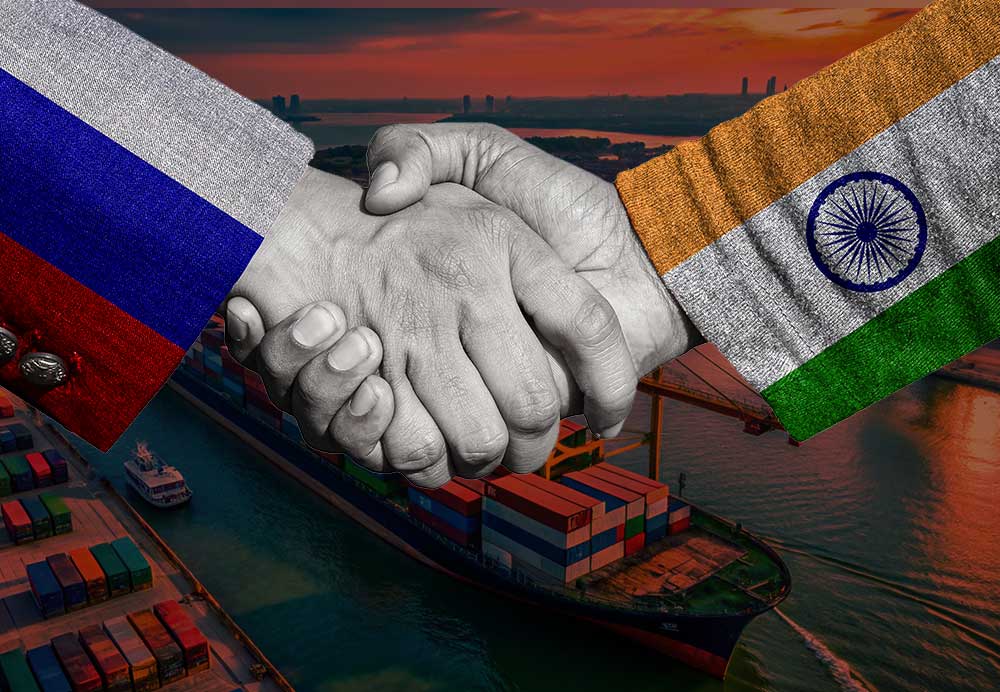
While the world obsesses over chips and electric cars, a quiet but steady partnership is unfolding in warehouses, workshops, and pharmaceutical labs across India and Russia. Forget the old image of that partnership being just about oil, arms, and uranium. Today, Moscow and New Delhi are stitching together a new kind of industrial bond—one built on shared shelves, co-branded machines, and medicines stamped “Made Together.”
It started with necessity. When global supply chains snapped under pandemic strain and geopolitical friction, both countries realized they couldn’t rely forever on distant factories in Europe or Southeast Asia. So they turned to each other—not just as buyers and sellers, but as co-manufacturers.
Take pharmaceuticals. India, long dubbed the “pharmacy of the world,” already supplies over 60% of Russia’s generic drugs—from antibiotics to antihypertensives. But now, the relationship is deepening. Indian firms like Dr. Reddy’s and Cipla are exploring local production in Russia, setting up joint ventures to bottle, label, and even formulate medicines on Russian soil. Why? To dodge import tariffs, speed up delivery, and—crucially—meet Russia’s new push for import substitution.
In return, Russia is opening doors. Regulatory agencies in both countries are meticulously aligning quality standards, so an Indian-made tablet approved in Delhi won’t need years of re-testing in Moscow. Pilot programs even allow mutual recognition of Good Manufacturing Practices (GMP)—a bureaucratic breakthrough that could slash approval times by half.
Then there’s machinery—a sector where Russia has know-how, and India has scale. Russian firms like Uralmash and KAMAZ are teaming up with Indian engineering giants to co-produce everything from mining equipment to agricultural tractors. The model is this: Russian design + Indian assembly + local servicing. In 2025 alone, India and Russia announced six new strategic investment projects aimed at boosting bilateral cooperation.
Even consumer goods are getting the joint treatment. From Russian-designed food and beverage processing equipment project in New Delhi to Indian-branded household appliances sold in Siberian supermarkets, the Made in India / Made in Russia labels are gaining traction. In 2024, bilateral trade in non-resource goods jumped by 38%, with co-manufactured items leading the surge.
But none of this works good enough without trust in the nuts and bolts. Both nations are investing in shared industrial parks, like the proposed Indo-Russian Tech Hub near Chennai, where suppliers, engineers, and inspectors from both sides work under one roof. They’re also launching joint workforce academies, training technicians in everything from CNC machining to sterile drug packaging.
Of course, challenges linger. Bureaucracy moves slowly. Language barriers trip up supply chains. And building a truly integrated production loop takes more than handshake deals.
Yet the momentum is real. In a world fragmenting into rival blocs, India and Russia are doing something refreshingly old-school: building things together. Not just trading finished goods, but sharing blueprints, toolkits, and factory floors.
Because in the end, the strongest alliances aren’t just signed in ministries—they’re welded in workshops, bottled in labs, and tested on the shop floor. And right now, that’s exactly where the India–Russia partnership is coming alive.