
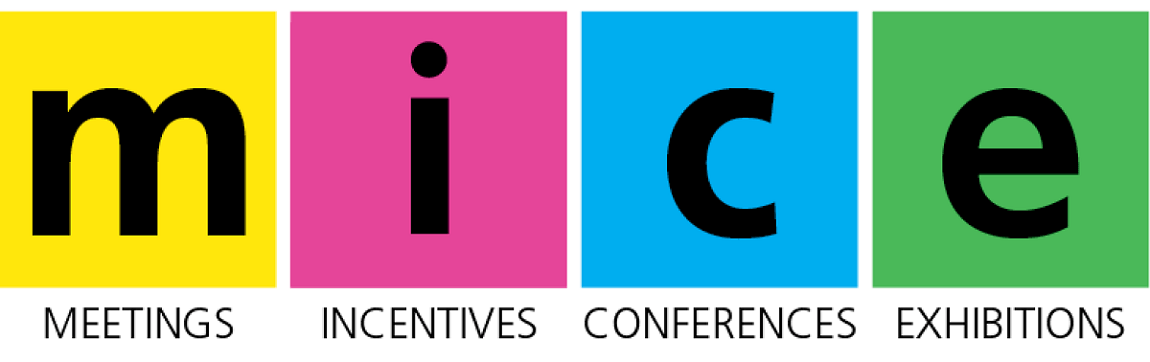
For decades, the global MICE (Meetings, Incentives, Conferences, and Exhibitions) industry operated on a factory model: print a thousand identical badges, herd attendees into a event hall, and hope the coffee doesn’t run out. But in the high-tech ecosystem of Moscow, that model is being dismantled.
According to industry leaders set to convene at the upcoming Meet Global MICE Congress on December 17, the era of the “one-size-fits-all” itinerary is dead. In its place, Moscow is pioneering a new standard driven by hyper-personalization and strategic gamification, turning the city into a global sandbox for smart event innovation.
The “Netflix-ification” of Business Travel
“Personalization in MICE ceased to be just a trend long ago—it is now the standard,” says Ekaterina Movsumova, Commercial Director of the platform Event Rocks. She argues that the modern business traveler, conditioned by the algorithmic precision of Spotify and Netflix, now views generic conference schedules with disdain.
This shift has made personalization a “hygiene factor”—a baseline requirement rather than a luxury. Maxim Yakhontov, CEO of Phygitech, notes that attendees now expect a system that thinks for them. This means AI that manages seamless logistics, from transfers to urban navigation, and algorithms that curate meetings relevant to a specific job role, filtering out the noise of irrelevant panels.
The results are tangible. Movsumova reports that projects utilizing these smart recommendation engines and dynamic content systems are seeing engagement metrics soar by 200-300%. Platforms like RUSSPASS.Business are exemplifying this shift, offering a digital ecosystem that merges contact databases, analytics, and event management into a unified tool.
The City as an Operating System
What sets Moscow apart, according to the experts, isn’t just the availability of technology, but the “agility” of the environment.
“Moscow is a city that changes rapidly,” says Kirill Palkin, Director of MICE Capital. He points to a “flexibility of thinking” among residents and businesses alike, a cultural adaptation that embraces constant digital evolution.
This adaptability allows the city to deploy “phygital” (physical + digital) solutions at scale. We are moving beyond simple QR codes to an environment where Big Data, RFID, NFC, and computer vision map the “heat” of an event in real-time. Organizers no longer guess where attendees are going; they know exactly which zones capture attention and how crowds flow, allowing for real-time adjustments.
Gamification: ROI, Not Just Play
Perhaps the most misunderstood tool in the modern organizer’s kit is gamification. While it sounds like mere entertainment, experts argue it is a hard-nosed strategic asset.
“Gamification is a powerful tool that… helps stand out in conditions of high competition,” Movsumova adds. It structures attention in complex expo halls and drives lead generation.
Yakhontov provides a compelling case study on the ROI of emotion. At the “Russia” International Exhibition, his team deployed an RFID-enabled quest for the Sberbank pavilion. They added a single layer of AI personalization: the system greeted guests by name via voice synthesis.
“This minimal modification caused a real ‘wow effect’,” Yakhontov recalls. Visitors replayed the corporate quest solely to experience that moment of recognition again. It proves a vital point: in an information-saturated world, gamification creates the emotional memory that brochures cannot.
The Road Ahead
As Moscow prepares to host the Meet Global MICE Congress, the message to the global industry is clear. The future of business events isn’t just about bigger venues; it’s about smarter data. It is about a seamless fusion of biometric transport systems, predictive AI itineraries, and immersive experiences that respect the most valuable currency a business traveler has: their time.
In Moscow, the smart event isn’t coming—it has already arrived.