

Region solidifies dominance in Russia’s winter tourism market as new destinations and infrastructure expansions drive unprecedented demand
Ski resorts across Russia’s North Caucasus region recorded a significant uptick in visitors during the 2026 New Year holiday period, welcoming 70,700 guests—an increase of 11,000 compared to the previous year. Properties managed by Kavkaz.RF, the regional development corporation, saw an average 18% rise in visitor numbers, with figures based on cable car usage data. Industry analysts note that the North Caucasus, together with Krasnodar Krai, now accounts for more than 60% of the country’s ski tourism traffic.
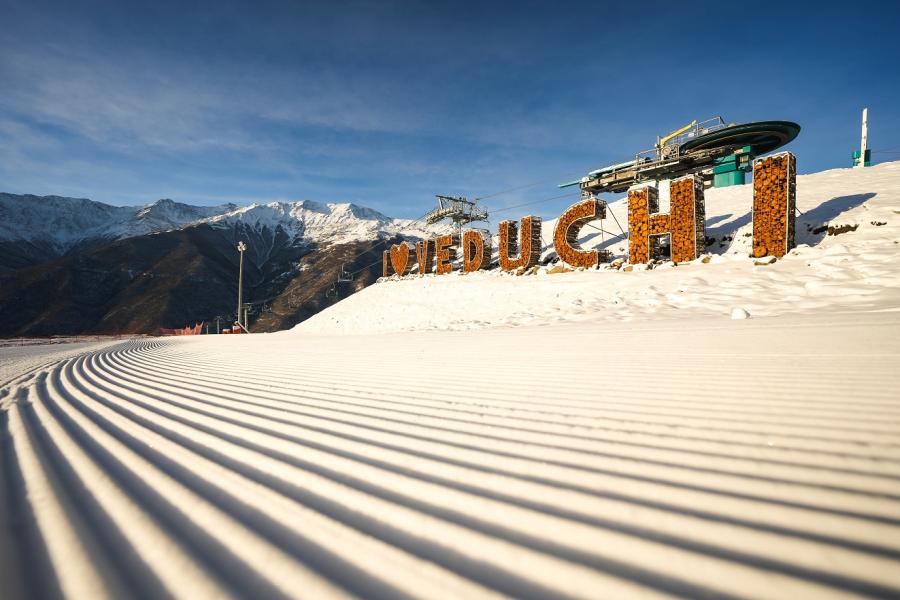
The season’s breakthrough came with the inaugural season at Mamison, a new ski destination in North Ossetia that welcomed over 1,300 visitors daily during peak periods. The Veduchi resort in Chechnya also achieved a milestone, recording 450 guests on January 4—the highest single-day attendance for this facility, which remains under development.
Infrastructure investments across the region have translated into robust commercial performance. Booking rates at Arkhyz reached 75%, while demand for seasonal ski passes climbed 20% year over year.
Mount Elbrus, the region’s premier destination in Kabardino-Balkaria, unveiled a substantial expansion for its 56th operating season. The resort opened an eastern zone featuring two new cable car lines and six kilometers of additional runs, including terrain designed for beginners.
Attendance peaked on January 5 with a record 7,370 daily visitors. Evening skiing sessions under floodlights proved particularly popular, attracting up to 500 enthusiasts nightly despite occasional lift closures due to high winds.
Analysis of visitor data revealed that men aged 25 to 44 represented the largest demographic segment. Geographically, Stavropol Krai contributed the highest share of visitors at 18%, followed by Moscow and the surrounding region at 13%, and Krasnodar Krai at 8%. Overall, guests traveled from more than 80 Russian federal subjects.
Notably, approximately 75% of trips lasted just one to two days, reflecting growing consumer preference for short getaways and excursion-style travel.
Kavkaz.RF CEO Andrey Yumshanov said the organization remains focused on creating conditions that encourage repeat visits. Tourism growth rates to the North Caucasus currently run at twice the national average, with Elbrus and Veduchi together accounting for nearly 30% of regional traffic.
To sustain momentum, resort operators are expanding telecommunications infrastructure and digital services, ensuring reliable connectivity and navigation tools even at high-altitude locations.

