

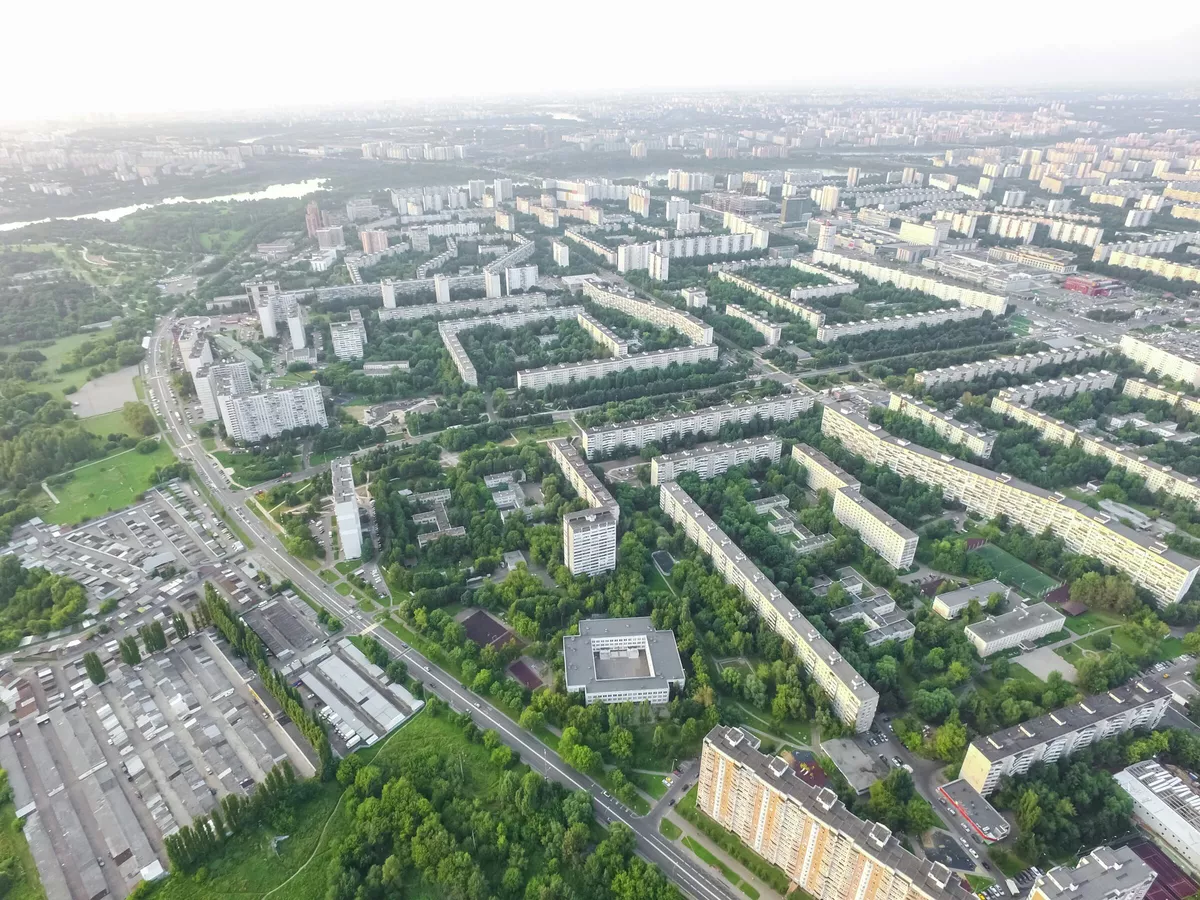
Specialists from Volgograd State Technical University (VolgGTU) have developed a system for the automated verification of urban development projects at the design stage. The model enables the automatic identification of violations of construction and sanitary regulations, thereby significantly expediting the expert review of urban infrastructure projects. The results have been published in the journal Ontology of Design.
Before construction begins on a residential complex, a new hospital building, a bus depot, or a public park, the project must undergo a mandatory expert assessment to verify the compliance of the facility and its proposed location with regulatory requirements, VolgGTU reported. For instance, a preschool building must be situated at least 25 meters away from roads, 50 meters from fuel stations, and 150 meters from railway lines. Furthermore, individual buildings on the same site must be located no closer than 12 meters from one another to comply with sanitary standards for natural lighting.
At present, such assessments are conducted either manually or using foreign software that is not fully adapted to Russian regulatory frameworks, noted Danila Parygin, Head of the Department of Digital Technologies in Urban Planning, Architecture, and Construction. To reduce the duration of inspections and facilitate the work of urban planning experts, VolgGTU researchers have developed domestic software capable of automating more than half of routine project checks in accordance with GOST, SanPiN, and other regulatory documents.
“The system analyzes the digital model of the city and the regulatory rules encoded in its ontology, identifying issues such as buildings placed too closely together, insufficient green spaces, and other violations of sanitary or construction norms. It helps designers avoid such issues from the outset and automatically highlights problems during the expert review,”
Parygin explained.
According to the researcher, the software may eventually serve as the basis for a comprehensive intelligent expert evaluation system and for developing a digital twin of the city. VolgGTU specialists also plan to create machine-readable regulatory documentation for the construction sector.
The study was conducted with the support of the Russian Science Foundation and the administration of the Volgograd Region.