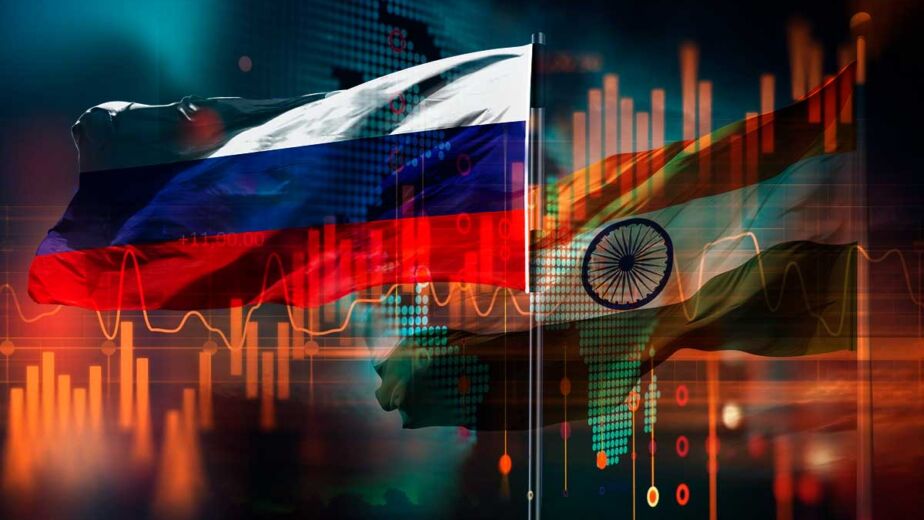

As digital commerce reshapes economies across continents, Russia has stepped into a new phase of regulating the online marketplace ecosystem—one where innovation is welcomed but fairness is non-negotiable. Deputy Chairman of the Bank of Russia, Filipp Gabuniya, recently clarified the regulator’s stance: discounts, cashback schemes, and loyalty bonuses are here to stay, but they must be accessible to all users.
“We support discount systems in full. What matters is that they remain open to a wide range of consumers and free from discrimination,” Gabuniya told reporters. His comments come at a moment when Russia, like India, is witnessing a dramatic expansion of e-commerce platforms that now influence everything from household purchases to financial habits.
A Digital Boom Worth Regulating
Over the past five years, Russia’s online marketplaces have grown at a remarkable pace. According to the Central Bank’s Financial Stability Review, trading volumes surged more than 13-fold—reaching 8 trillion rubles—while their share in nationwide retail turnover climbed to around 14% by early 2025. Analysts expect this figure to keep rising as consumers shift steadily toward digital platforms.
Indian readers may find echoes of this trend at home: platforms such as Flipkart, Amazon, and Tata-backed marketplaces have altered shopping behaviour across urban and rural India. With growth comes the question of oversight—how to protect consumers without stifling innovation.
Russia’s new law on the platform economy aims exactly at this balance. As it comes into force, regulators see an opportunity to ensure that all digital ecosystems—whether dominated by finance, retail, or tech—follow uniform principles of fair access.
The Push Against Digital Discrimination
One of Gabuniya’s key points was the need to avoid preferential treatment embedded in bonus systems. Online platforms around the world sometimes tailor rewards to users who purchase financial products, subscribe to premium services, or use a specific payment channel. While such strategies can drive business growth, regulators worry they create invisible barriers for certain consumers.
Russia’s central bank believes that as digital ecosystems grow more powerful, frameworks must ensure that:
Financial and retail divisions of big tech firms operate transparently
Loyalty programs remain open and fair
All users can benefit equally from promotional incentives
Interestingly, in its recent review, the Bank of Russia emphasized that big tech and their affiliated banks currently do not pose systemic risks to financial stability—though it will keep a close eye on developments, much like the Reserve Bank of India monitors fintech expansion.
Why This Matters Beyond Russia
For Indian readers, Russia’s approach offers a glimpse into how another major emerging economy navigates the rise of digital giants. Both India and Russia are investing heavily in new technologies and digital public infrastructure, while also shaping regulatory systems that protect ordinary consumers.
As more countries—including BRICS members—evaluate the influence of tech ecosystems, Russia’s example highlights an important principle:
digital growth must be accompanied by digital fairness.
Looking Ahead
Russia’s marketplace sector shows no signs of slowing down. With expanding ecosystems, evolving consumer habits, and the new platform-economy law taking effect, the coming years will likely see more structural reforms—designed to ensure that innovation serves everyone.
For economies like India, watching these developments offers valuable insights into how digital regulation can evolve in fast-growing, tech-driven markets.