
The Russian Ministry of Transport has confirmed plans to significantly expand the number of autonomous heavy trucks operating on federal highways, with the fleet expected to grow from more than 90 vehicles today to 111 by 2026 and 313 by 2028. The projection was reported by Minister of Transport Andrey Nikitin in a TASS interview.
Current autonomous freight vehicle deployment is concentrated on select high‑capacity, predictable roadways such as the M‑11 “Neva” ( Moscow–Saint Petersburg) toll route and the Central Ring Road (ЦКАД) near Moscow, where infrastructure and traffic conditions facilitate automated operations. The Ministry plans to extend testing and operations to the M‑12 “Vostok” (Moscow to Tyumen) corridor by 2026, emphasizing long‑distance trunk routes over complex urban environments due to lower variability and reduced risk.
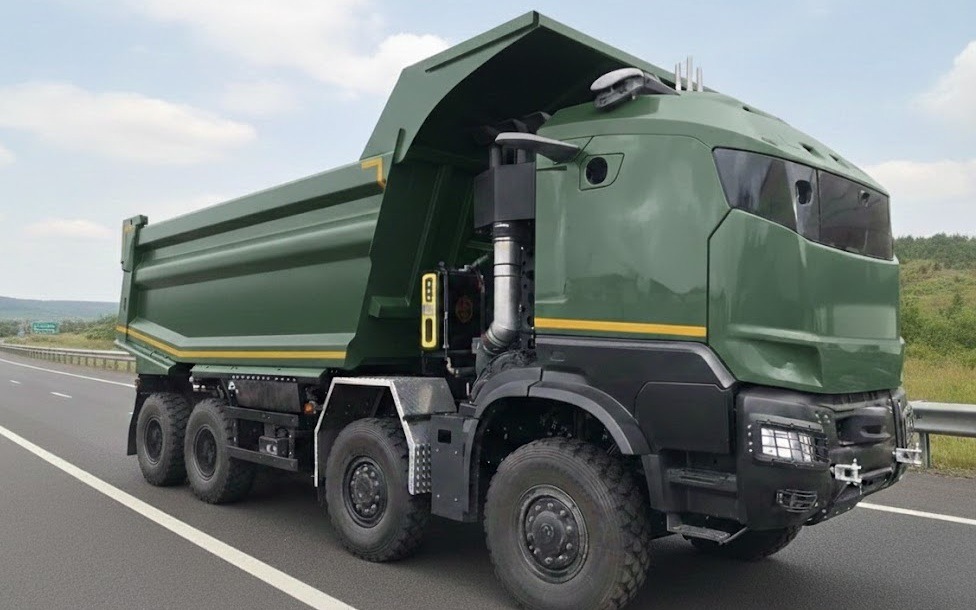
Technology for these vehicles comprises highly automated systems installed on domestic truck chassis, notably from KAMAZ, and supplemented by software and sensor packages developed by Russian firms. These platforms remain under active testing, with vehicles currently classified as highly automated rather than fully autonomous in the strictest technical sense.
Officials highlight the value of building digital infrastructure, including detailed route mapping and “digital twin” models of key corridors, to improve vehicle guidance and safety. Such infrastructure is intended to support expanded operations and data collection to refine system performance ahead of broader deployment.
While the plan to field 313 autonomous trucks by 2028 is supported by Ministry statements, alternative forecasts from other industry sources project a considerably larger base of vehicles—up to 900 or more by the end of 2028—suggesting variability in long‑term estimates depending on technological, regulatory, and economic factors.