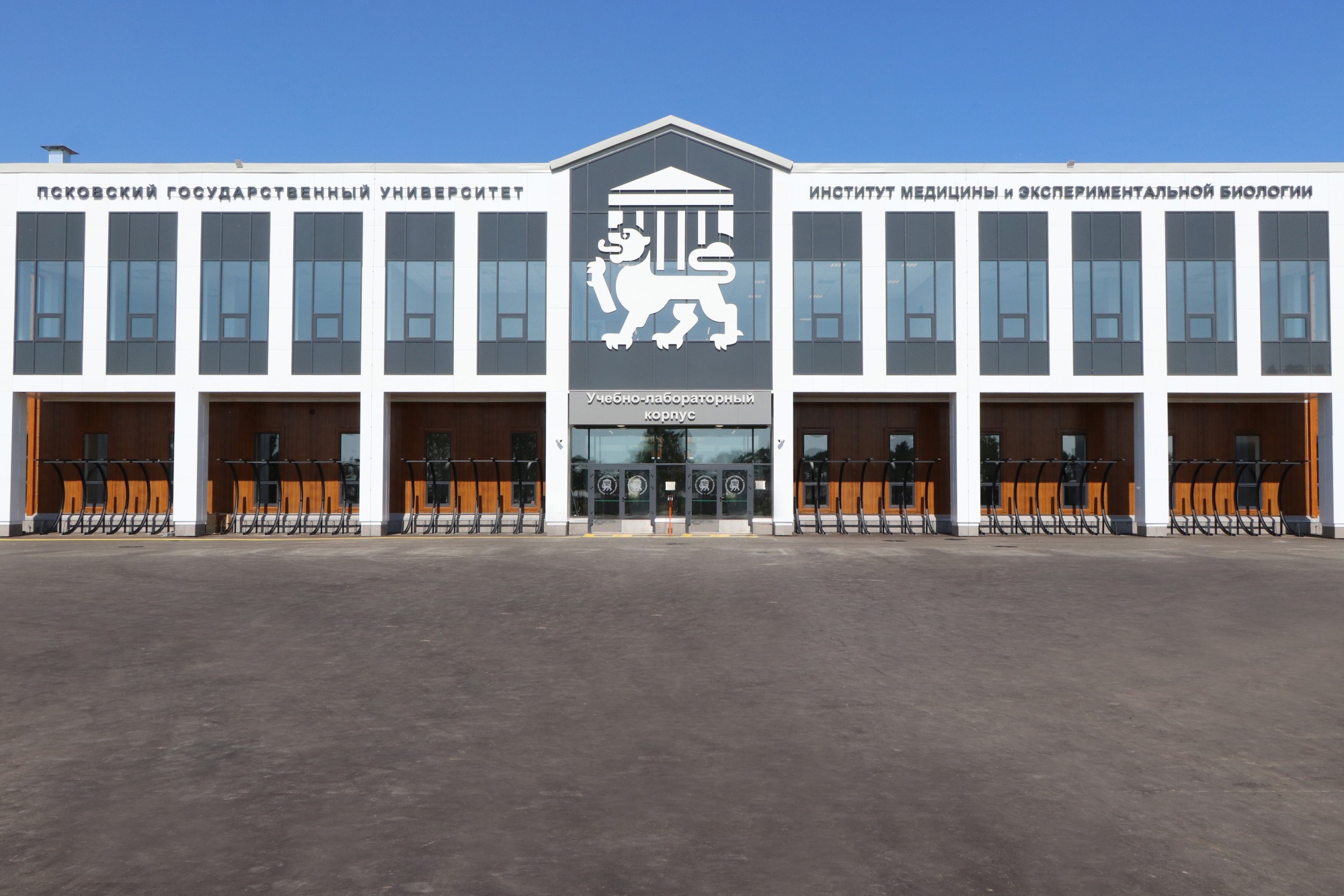
As Russia deepens its strategic partnership with India, a regional university in northwestern Russia has positioned itself at the forefront of an ambitious national initiative to attract thousands of Indian students to Russian higher education institutions.
Pskov State University (PskovGU) has become a leading center for educational exchange in its region, with approximately 1,000 Indian students currently enrolled in its medical program specializing in General Medicine. This development aligns with broader diplomatic efforts highlighted during Russian President Vladimir Putin’s recent official visit to India, where he met with Prime Minister Narendra Modi to discuss expanding humanitarian cooperation between the two nations.
Presidential Backing for Educational Exchange
The influx of Indian students to Russian universities enjoys high-level political support. Presidential Press Secretary Dmitry Peskov, speaking to Indian media, emphasized Moscow’s commitment to the program: “Hundreds, or more precisely — thousands of Indian students are studying at our universities, and Russia strives to provide them with the best conditions for study and life.”
This presidential mandate has translated into concrete action at PskovGU, where administrators have moved beyond traditional academic offerings to create a comprehensive support ecosystem for their Indian cohort.
Beyond the Classroom: Building Cultural Bridges
The university’s approach extends well beyond lecture halls and clinical training. Recognizing that successful international education requires cultural integration, PskovGU has launched several innovative initiatives:
A cricket team, formed specifically to engage Indian students in their national sport, has already represented the university at international student competitions in Perm and Tver — both cities with significant Indian student populations.
Annual Indian culture festivals organized by the university have evolved into major cultural events for Pskov residents, introducing the local community to Indian traditions, dance, and cuisine. These celebrations serve a dual purpose: helping Indian students maintain connections to their heritage while fostering cross-cultural understanding among Russian locals.
In 2025, the university partnered with the Pskov Region’s Ministry of Youth Affairs to launch “Pskov Without Borders: Adaptation and Friendship,” a school dedicated to socio-cultural adaptation of foreign students. The program aims to ease the transition for newly arrived Indian students and accelerate their integration into the regional community.
Professional Recruitment Partnerships
PskovGU’s success in attracting Indian applicants is partly attributed to its partnership with the Center for International Education (CMO), a recruiting organization that appears on the “white list” of agencies approved by Russia’s Ministry of Science and Higher Education — a designation that signals reliability and professional standards.
Kamruzzaman Syed, who heads the Center for International Education, frames the initiative in strategic terms: “The President of the Russian Federation has set a clear task — to increase the influx of foreign students. The state, together with private companies, is actively developing infrastructure: campuses are being built, educational facilities are being expanded.”
Syed articulates the broader geopolitical dimension of the educational export strategy: “The export of education is not only an economic benefit for universities, but also a powerful tool for promoting the Russian language and culture. Graduates who have studied in Russia retain warm feelings toward our country and in the future become its reliable allies abroad.”
Regional Economic Impact
The presence of nearly 1,000 Indian medical students has generated measurable economic benefits for the Pskov region. University officials report increased economic activity, expansion of educational and service sectors, and job creation tied to the international student population.
The arrangement creates a cultural exchange that flows in both directions: Indian students study Russian traditions while simultaneously sharing their own cultural practices, contributing to what university administrators describe as an increasingly multicultural environment in the Pskov region.
National Strategy in Action
PskovGU’s initiatives exemplify Russia’s implementation of its state strategy for educational export. The approach combines government infrastructure investment with private sector partnerships, aiming to position Russian universities as competitive destinations for international students, particularly from strategically important partner nations like India.
As Russia continues to develop its educational diplomacy, regional universities like PskovGU serve as laboratories for integration models that balance academic excellence with comprehensive cultural support — a formula that Moscow hopes will translate into long-term geopolitical influence through alumni networks spanning the globe.