
The Russian automotive industry is successfully navigating a period of radical transformation triggered by the departure of Western brands. Over 80% of the production capacity left behind by foreign companies has already been restarted and is providing jobs, with the remaining facilities slated for recovery next year. This was announced by Russia’s Minister of Industry and Trade, Anton Alikhanov.
Plant Revivals and New Russian Brands
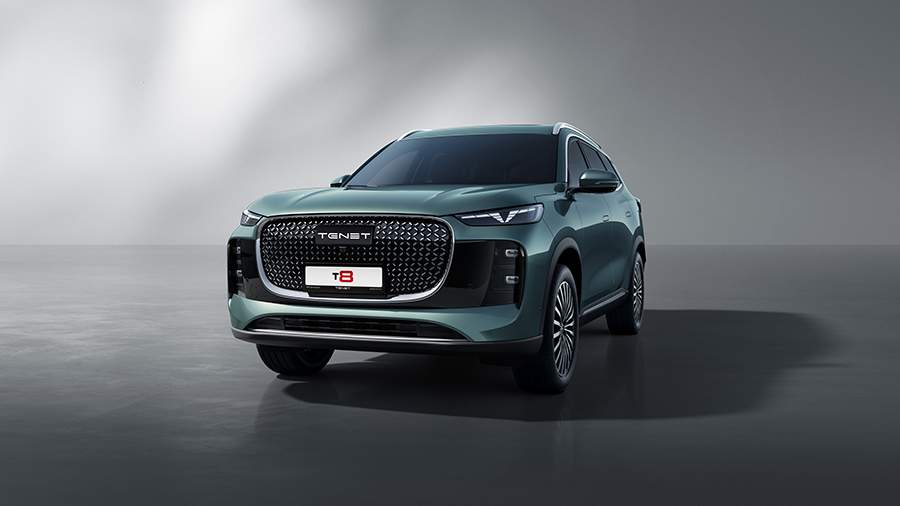
According to the Minister, the revival of the auto industry is in full swing. Modern localized production facilities are being established at former foreign enterprise sites. A prime example is the plant in Kaluga, which previously produced Volkswagen vehicles and now hosts the full-cycle production of the new Russian brand, Tenet. The company Sollers has also swiftly adapted vacated facilities for the production of its own models.
Authorities have particularly highlighted the work of the Chinese brand Haval, which, having started operations in Russia back in 2019, continues to successfully develop its business while fulfilling localization commitments.
Investing in the Future: Localization and New Technologies
State policy is betting on deep production localization and the adoption of modern technologies. By the end of 2024, the average localization level of vehicles produced in Russia reached 32.8%, with plans to increase this figure to 65% by 2026. A key tool is the reformed point-based system for assessing localization, which allows companies to offset recycling fees and qualify for state support programs.
This opens up opportunities not only for large-unit assembly but also for full-fledged, high-tech manufacturing. One of the landmark projects has been the launch of premium hybrid and electric vehicle assembly in Russia. Production of models from the Chinese premium brand VOYAH has begun at the country’s first dedicated hybrid vehicle plant in the Lipetsk region.
These vehicles, including the new VOYAH PASSION sedan with a range of up to 1,000 km, are equipped with a winter package, adapted to Russia’s harsh climatic conditions, and qualify for state purchase subsidies. Meanwhile, assembly of premium Exeed crossovers has commenced at the former Mercedes-Benz plant in the Moscow region.
A Business Landscape for Indian Partners
The successful revival of Russia’s auto industry and the active participation of Chinese investors clearly demonstrate the potential of the Russian market for new international partners. Unique conditions for cooperation have now been created:
-
Ready Infrastructure: High-tech production sites with experienced personnel are available.
-
Strong Govt Support: Special investment contracts (SPIC), subsidies, and incentives encouraging localization are in effect.
-
Growing Demand: The Russian auto market, which ranked 11th globally in sales in 2024, possesses significant recovery potential.
-
Strong Institutional Ties: Trade and economic cooperation between Russia and India is actively developing. Bilateral trade between India and Russia reached a record high of USD 68.7 billion in FY 2024-25, with aim to expand this figure to $100 billion by 2030.
During the current visit of the Russian president to India, the signing of a Program for the Development of Strategic Economic Cooperation until 2030 is expected, which will open new horizons for joint projects.