


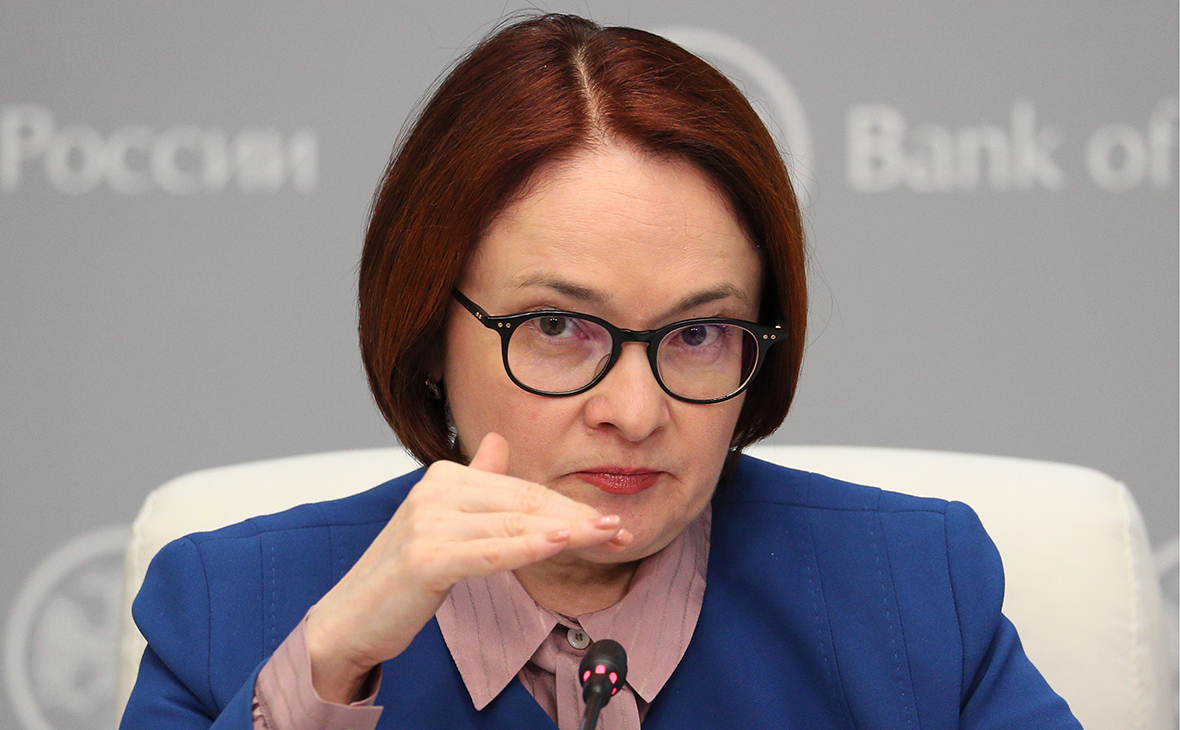
Russia’s Central Bank has lowered its key interest rate to 16%, marking the fifth straight reduction as policymakers continue to unwind the restrictive monetary policy that saw rates peak at 21% earlier this year. However, Governor Elvira Nabiullina emphasized that this shift does not signal a predictable downward path, stating that the bank is officially abandoning “autopilot” mode in favor of a more flexible, data-driven approach.
During the recent board meeting, officials navigated a delicate balance between three potential paths. Some members advocated for holding the rate at 16.5% due to lingering inflation concerns and heavy consumer borrowing, while more optimistic voices suggested a steeper cut to 15.5% to accelerate economic stimulus. The final decision to cut by 0.5 percentage points—or 50 basis points—was chosen as a cautious middle ground. This compromise aims to support economic growth by making credit slightly more affordable without risking a resurgence of price increases.
The move to 16% represents significant progress from the 21% emergency level that was maintained from late 2024 through June 2025. That historically high rate was implemented to combat inflation fueled by labor shortages and geopolitical pressures. While five consecutive cuts suggest that the inflation battle is being won, the current rate remains restrictive. Its primary purpose is still to cool demand and stabilize prices rather than to fully stimulate the economy.
Nabiullina’s decision to “ditch the autopilot” is a strategic warning to investors and businesses. It means that the trend of five consecutive cuts should not be viewed as a guarantee of future reductions. Instead, the Central Bank will evaluate the economy meeting-by-meeting, remaining ready to pause or even raise rates again if inflation expectations shift. This flexibility is critical as the Russian economy continues to face external uncertainties and shifts in federal spending.
The inflation picture is showing signs of stabilization, with the annual rate of price growth slowing to 5.8% as of mid-December. While this means that the cost of living is still higher than a year ago, the Central Bank expects the year to finish with a total inflation rate below 6%, a significant improvement from the double-digit surges that necessitated the emergency interest rate hikes seen earlier in 2025.

