

As winter sweeps across Russia’s vast landscapes, the country’s tourism sector is gearing up for a season full of snow, adventure, and cultural vibrancy. This year, the winter tourism season promises not just excitement but growth, with ski resorts expecting a 10% increase in visitor numbers compared to last year.
Preparations for the season were carefully coordinated during a nationwide conference led by Maxim Reshetnikov, Russia’s Minister of Economic Development, bringing together regional authorities to ensure a seamless experience for travelers.
Ski Resorts: Engines of Winter Tourism
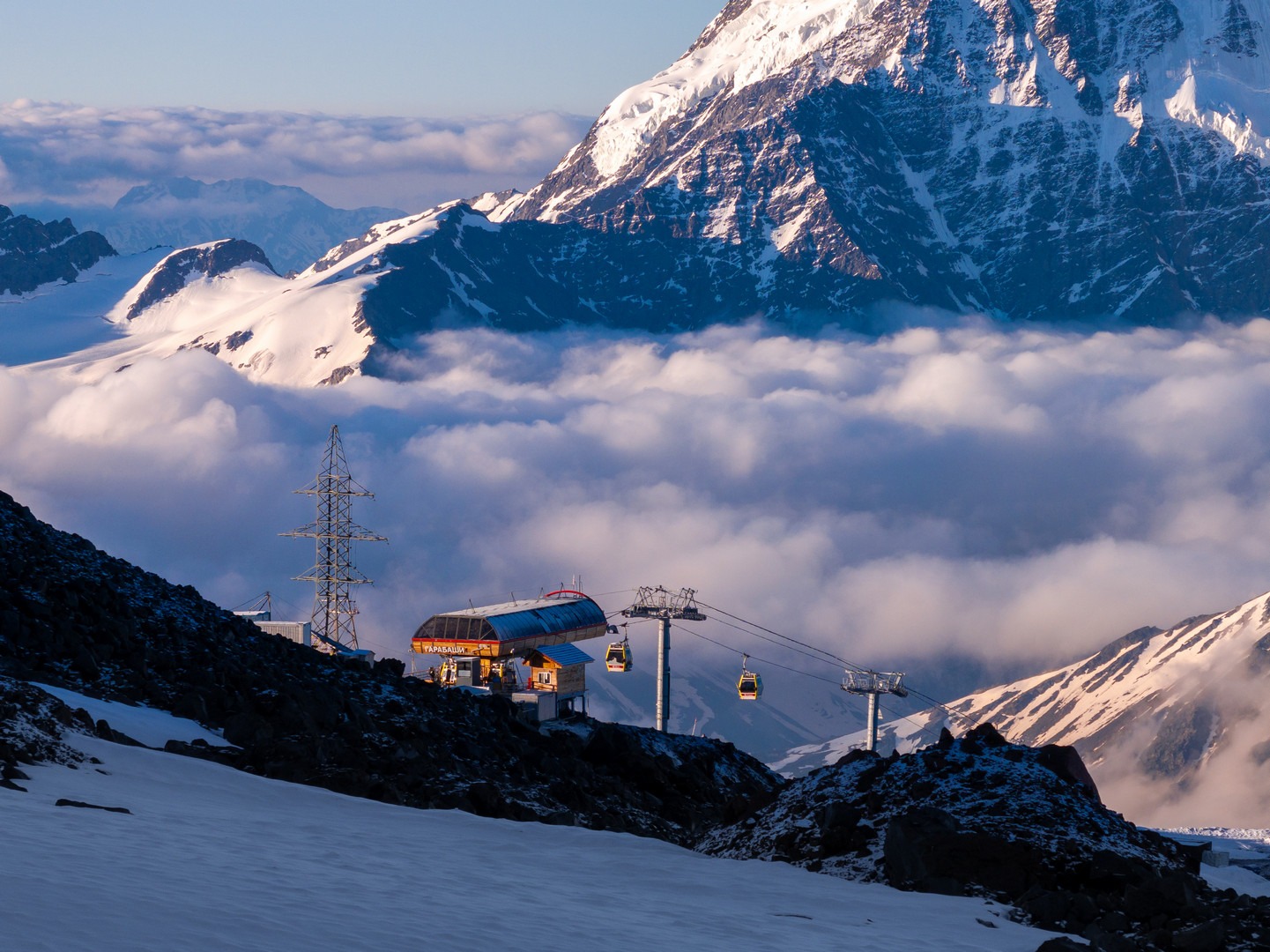
Historically, Russia’s mountain resorts have been the heartbeat of the winter season. Last year, more than 8 million visitors explored the snowy slopes—a near 25% rise from the previous season. Growth is driven not only by high-quality resorts but also by improved transport links and the rich variety of regional leisure offerings.
New and upgraded airports in Gelendzhik and Krasnodar, combined with multimodal ticketing options to destinations like Elbrus and Arkhyz, have made these iconic resorts more accessible than ever. A special government task force continues to monitor the cost and availability of flights and trains, ensuring smooth connections for thousands of tourists.
Safety as a Priority
Russia places great emphasis on visitor safety. All ski lifts and cable cars undergo mandatory inspections by Rostekhnadzor, while the Ministry of Emergency Situations (MChS) coordinates slope security. For mountaineers, hikers, and adventure enthusiasts, Russia maintains a federal registry of certified guides and instructors, currently listing nearly 6,000 professionals.
Since September 2025, regional authorities have also gained the power to penalize illegal guides and tour operators, strengthening safety and accountability across mountain routes.
Moscow: A Winter Urban Escape
While mountain resorts draw visitors to snow-capped peaks, Moscow has established itself as a major winter tourism hub. The “Winter in Moscow” initiative brings together thousands of events across more than 400 venues from December through February, offering a vibrant alternative to resort experiences.
Evgeny Kozlov, First Deputy Head of the Mayor’s Office and Chair of the Moscow Tourism Committee, notes:
“Last season, nearly 30 million residents and visitors enjoyed the program. This shows that urban winter tourism can successfully complement resort tourism, offering a rich, comfortable, and diverse experience even in cold weather.”
What Indian Travelers Can Learn
For Indian readers, Russia’s winter tourism strategy offers several insights:
Accessibility matters: Just as Russian authorities improved transport to resorts, Indian regions like Himachal Pradesh, Uttarakhand, and Jammu & Kashmir are investing in connectivity to make snow destinations more reachable.
Safety builds confidence: Certified guides, inspections, and regulation of tour operators ensure tourists feel secure—a principle applicable to adventure tourism in India.
Urban winter experiences: Moscow shows how cities can transform into seasonal wonderlands with cultural events, skating rinks, and festive markets, complementing nature-based tourism.
Looking Ahead
Russia’s winter season illustrates how strategic planning, infrastructure investment, and a focus on safety can create a tourism ecosystem that is both vibrant and sustainable. For Indian travelers and tourism enthusiasts, it provides inspiration: winter adventures can be thrilling, safe, and culturally immersive if cities and resorts work together to deliver quality experiences.
With snow-capped mountains, bustling urban festivals, and meticulous preparation, Russia is ready to welcome winter travelers—and offer memories that last far beyond the season.

