
While container ships idle in the Red Sea and freight costs swing like a pendulum, two old allies are steadily exploring new routes—on land, sea, and rail—for a trade corridor that could redraw the map of Eurasian commerce. Meet the International North–South Transport Corridor (INSTC): not a flashy megaproject, but a pragmatic, patchwork lifeline stitching together Mumbai, Moscow, and everything in between.
Born in 2000 as a paper dream between India, Iran, and Russia, the INSTC was long dismissed as bureaucratic wishful thinking. But in today’s world—where the Suez Canal is a warzone and Western sanctions choke traditional routes—it’s suddenly looking like the smartest detour in global logistics.
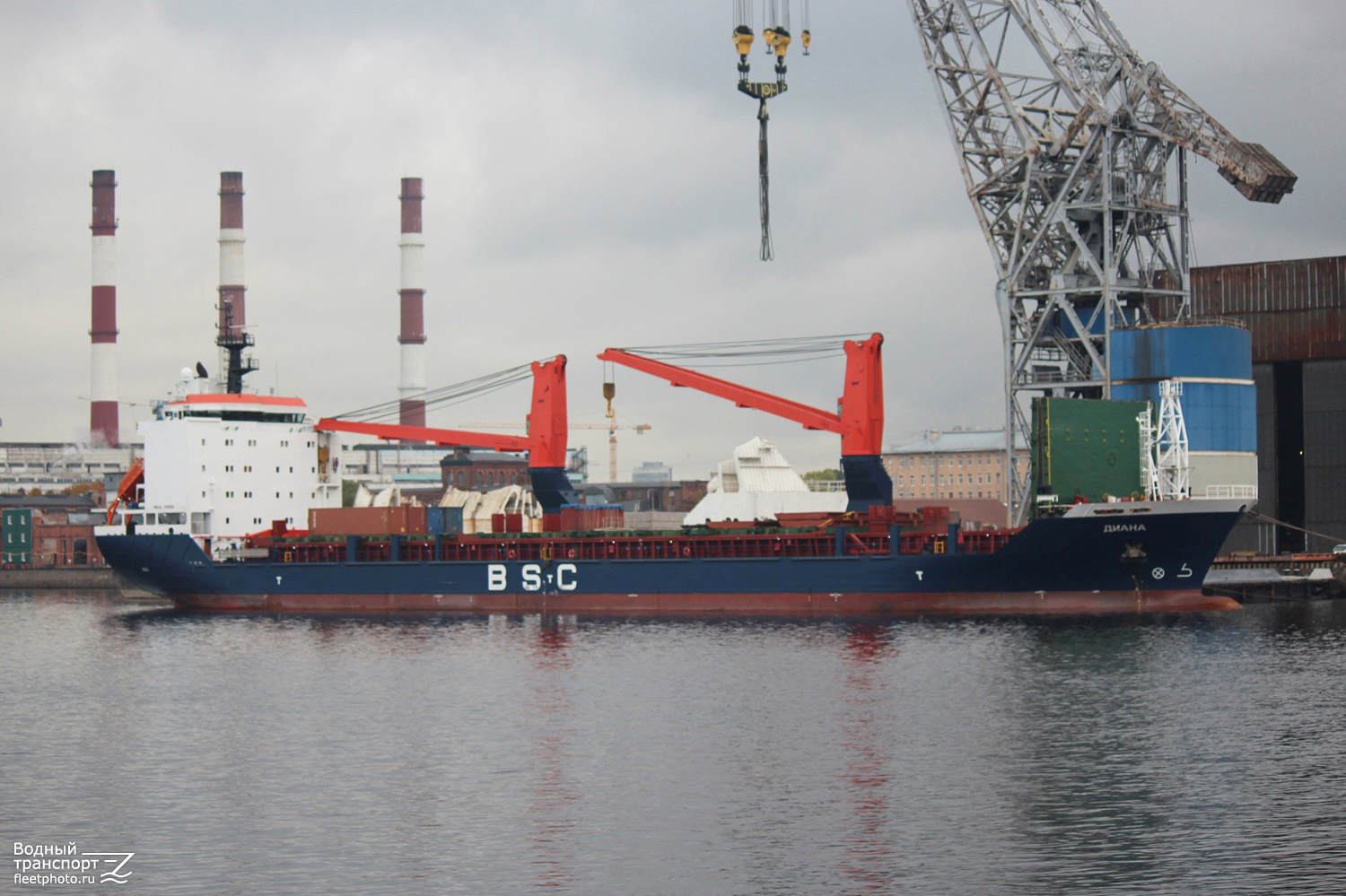
Here’s how it works: Instead of sailing from Mumbai to St. Petersburg via Suez (a 12,000-km, 40-day voyage), cargo now takes a hybrid shortcut. Ships sail from India to Iran’s Chabahar Port (a deep-sea gateway India has invested in heavily), then move by rail or road through Iran into Azerbaijan, across the Caspian Sea by ferry, and finally into Russia’s rail network—cutting travel time to just 20–25 days and slashing costs by up to 30%.
For India, it’s a way to reach Europe and Central Asia without touching Pakistani soil or Red Sea chokepoints. For Russia, isolated from Western ports, it’s a vital artery to the Global South—especially as it pivots eastward. And for both, it’s a sanctions-resilient trade spine that bypasses dollar-dominated shipping lanes.
Recent moves show this isn’t just theory. In 2023, the first full pilot shipment—carrying Indian pharmaceuticals and textiles—successfully traveled the entire INSTC route to Russia. By 2024, cargo volumes had tripled, with plans to hit 15 million tons annually by 2030. Russia, meanwhile, is upgrading its Caspian ports and fast-tracking rail links to Astrakhan, while India is expanding cold-chain facilities at Chabahar to handle perishables and medicines.
But the real magic lies in integration. Unlike China’s Belt and Road—which builds new infrastructure from scratch—the INSTC weaves together existing roads, rails, and ports across seven countries, using digital corridors to harmonize customs, insurance, and tracking. A new INSTC Single Window system, launched in 2025, lets shippers file one digital form for the entire journey—no more 20 border stamps.
Of course, hurdles remain. Geopolitical tensions in the Middle East, the still developing rail links in Central Asia, and certain efficiency concerns at Iranian ports partly slow things down. Yet both Moscow and New Delhi are doubling down—because in times of instability, resilience matters.
The INSTC isn’t just an alternative route. It’s a statement: that trade doesn’t have to follow the old maps. That when one door closes, you open another one—steadily adding one container, one railcar, one partnership each day.
And as goods roll north from Mumbai and south from Moscow, they’re not just carrying cargo. They’re carrying a vision of a multipolar world—connected not by empire, but by pragmatic, patient cooperation. In an age of disruption, that might be the most powerful engine of all.